
What to do with an old airplane when flying it no longer makes sense
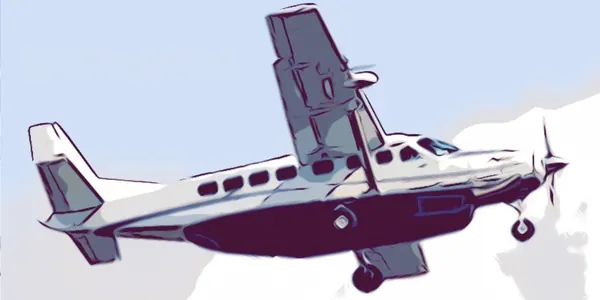
An airplane can spend years as a pleasure, a tool, or a family project — and then become a problem. The annual is overdue. The hangar invoice still arrives. A health change, a move, an estate, or a repair estimate that exceeds the airframe’s value can all lead to the same question: what should I do with this plane?
There is no single right answer. A well-kept, in-demand aircraft is often better sold. A parked, out-of-annual, or hard-to-sell airplane may be a better candidate to donate, part out, or both. The useful work is to match the aircraft’s condition and your goals — cash, a tax deduction, a clean exit, or seeing the airplane used again — to a realistic path.
Reboot Charity is a Florida 501(c)(3) nonprofit since 2012. We accept aircraft running or not, plus avionics, parts, and boats. We have supported more than 2,000 relief flights and partner with Volunteer Pilot Group (VPG). If donation is the path you choose, start on Donate Your Plane. Consult your tax advisor before you rely on a deduction.
Get a clear picture before you choose a path
You do not need a perfect package of records to start thinking this through, but a few facts change the options:
- Make, model, year, and N-number
- Where the aircraft sits, and whether hangar or tie-down fees are still accruing
- Airworthy or not, and the date of the last annual or condition inspection
- Engine and airframe times, and any known damage history
- Whether the logbooks are complete, incomplete, or missing
- Whether title is clear, or there is a lien, an estate, or more than one owner
Those details also affect value. A buyer, a parting shop, and a charity will all price an aircraft differently than an insurance agreed value or a memory of what it “used to be worth.”
Option 1: Return it to service and keep flying
If you still want to fly it, the honest first question is what it will cost to make it airworthy and keep it that way. An overdue annual, deferred airworthiness directives, a run-down battery or engine, and expired databases add up. If the airplane will still sit most of the time, you may simply be restarting the cost of owning an idle airplane.
This is the right path when you will actually use the aircraft and the remaining work is proportionate to the value you get from flying it.
Option 2: Sell it as a flying aircraft
Selling is often the better financial move when the airplane is in annual, has a current market, and you need cash rather than a tax deduction. The tradeoff is time: listings, showings, pre-buy inspections, possible renegotiation, and hanging onto hangar and insurance costs until it closes. Our sell or donate comparison walks through that math without pretending donation is always the winner.
If you have a serious offer in hand, take it seriously. Donation can wait a day; a real buyer sometimes will not.
Option 3: Sell it as a project, for parts, or arrange disposal
When the aircraft is out of annual, has a tired engine, incomplete logs, or damage, the buyer pool shrinks. Selling the aircraft intact as a project, or selling it to someone who will part it out, can still recover value, especially if engines, props, avionics, or landing gear are useful. That is different from dismantling the airplane yourself and selling components one by one, which usually means more of the logistics, storage, and leftover-airframe problem stay with you. If you go that route, agree in writing who removes what, and by when, before the first part leaves the hangar.
If neither a buyer nor a charity accepts the aircraft, ask a dismantler or salvage operator for a disposal quote. Get the costs and responsibilities in writing — transport, remaining-airframe removal, and any environmental or airport requirements. Salvage is not a guarantee of net proceeds; sometimes the work of removing the airplane is the result you are paying for.
Option 4: Donate the aircraft to a qualified charity
Donation can be a clean exit when you want the airplane to leave your hangar and support a mission, and when a charitable deduction would actually help your tax situation. Reboot accepts aircraft running or not. Acceptance is not automatic; we will tell you if a particular airplane is not a fit. If recovering cash is your priority, compare selling the aircraft as-is with donating it.
A donation is not a sale at asking price. The tax result depends on IRS qualified-vehicle rules, including Form 1098-C and, in many cases, Form 8283. For a claimed deduction over $500, if the charity sells the airplane without a qualifying exception, the deduction is generally limited to the lesser of fair market value or gross sale proceeds. Read the aircraft donation tax deduction guide and talk with your tax advisor before you file.
Option 5: Donate avionics or parts, or split the approach
Sometimes the whole airframe is not the gift. Removed radios, GPS units, autopilot components, engines, or other parts can be donated separately. See donate avionics and aircraft parts and our plane or parts inquiry. Talk with us before you start pulling components if the plan might still include donating the aircraft itself.
If the airplane came from an estate
Executors and heirs are often asked to make an aviation decision they did not expect to make. Before a sale or donation can proceed, the executor or other authorized representative should establish who can approve and sign a transfer. The estate’s attorneys and tax advisors should resolve ownership questions first. A clear authority to act, a complete-enough record set, and a decision to sell, donate, or dispose of the aircraft are usually more valuable than leaving it in a hangar “until we figure it out.” The hangar bill does not pause for an estate. We can talk through a donation inquiry once the person with authority is ready.
This is general information, not tax advice. Donation rules depend on your facts, your basis in the donated property, whether you itemize deductions, and what the charity actually does with the property. Beginning in 2026, additional limits may apply, including a 0.5% of adjusted-gross-income floor for itemized charitable deductions. The IRS can disallow a deduction if required forms or acknowledgments are missing. Consult your tax advisor or CPA before you donate or file.
Frequently asked questions
What is the best thing to do with an old airplane?
It depends on condition, title, carrying costs, and whether you need cash or would benefit from a charitable deduction. A ready-to-fly, in-demand aircraft is often better sold. A parked, out-of-annual, or hard-to-sell aircraft may be a better candidate to donate or part out. Compare the realistic net of a sale with the tax and logistics of a donation.
Can I donate a plane that has not flown in years?
Yes, Reboot Charity considers aircraft that are not running or have not been used in years. Condition, records, location, and title still matter. Start with an inquiry on the Donate Your Plane page so we can tell you whether it is a fit.
Should I repair the airplane before I sell or donate it?
Not automatically. Repairs that a buyer will not pay for, or that a charity would not need you to make, can waste money. Ask a buyer, a mechanic you trust, or the charity what would actually change the outcome before you authorize work.
What if I only want to get it out of the hangar?
Then logistics, a clean title transfer, and a firm timeline matter as much as headline value. Before you count on a donation or a parts sale to meet a hangar deadline, confirm whether the aircraft or parts would be accepted, when they could actually be moved, who is responsible for the move, and what costs would be yours. Tell us where the aircraft is and what is driving the timeline, and we will tell you what we can and cannot do.
Tell us what you have. We will help you sort the next step.
This is an inquiry, not a commitment to donate. Call (561) 621-7500.